












The Psychology of Memorable Birthday Celebrations: Why Experiences Beat Material Gifts
Research consistently shows that experiential birthday celebrations create more lasting happiness than material-focused ones. A landmark 2014 study published in the Journal of Consumer Psychology found that people who spent money on experiences rather than possessions reported higher levels of happiness both immediately after the purchase and when reflecting on it later. The reason is neurological: experiences become part of your identity in ways that objects never do.
Dr. Thomas Gilovich, psychology professor at Cornell University and leading researcher on the experience-vs-possessions question, explains: "Experiences become a more meaningful part of our sense of self. We are the sum of our experiences, not our possessions. You can really like your material stuff, but you don't become your stuff in the way you become your experiences."
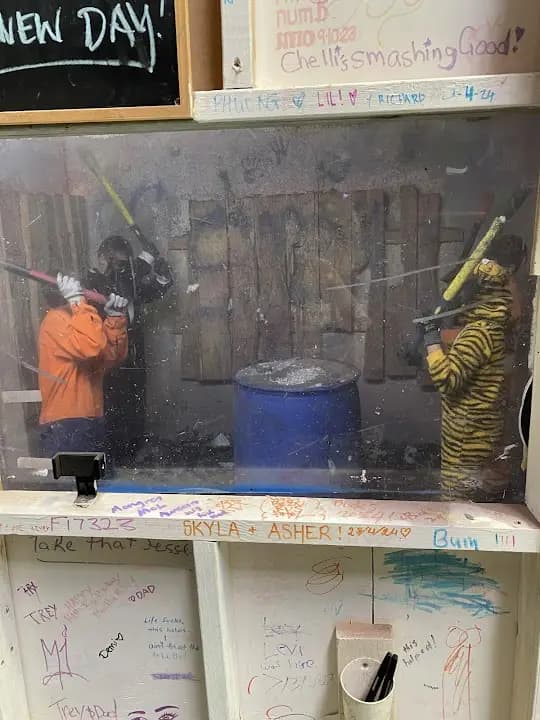
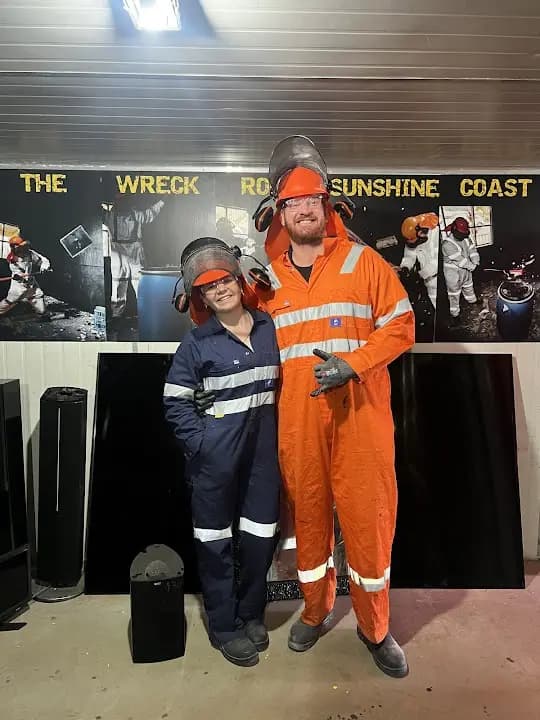
This principle applies powerfully to birthday celebrations. When you look back on your 25th birthday, you're far more likely to remember the rage room session where your best friend accidentally hit the wall instead of the plate than the specific restaurant you ate at or the gifts you received. The emotional peaks — moments of laughter, surprise, achievement, or adrenaline — encode themselves in memory far more effectively than routine pleasantness.
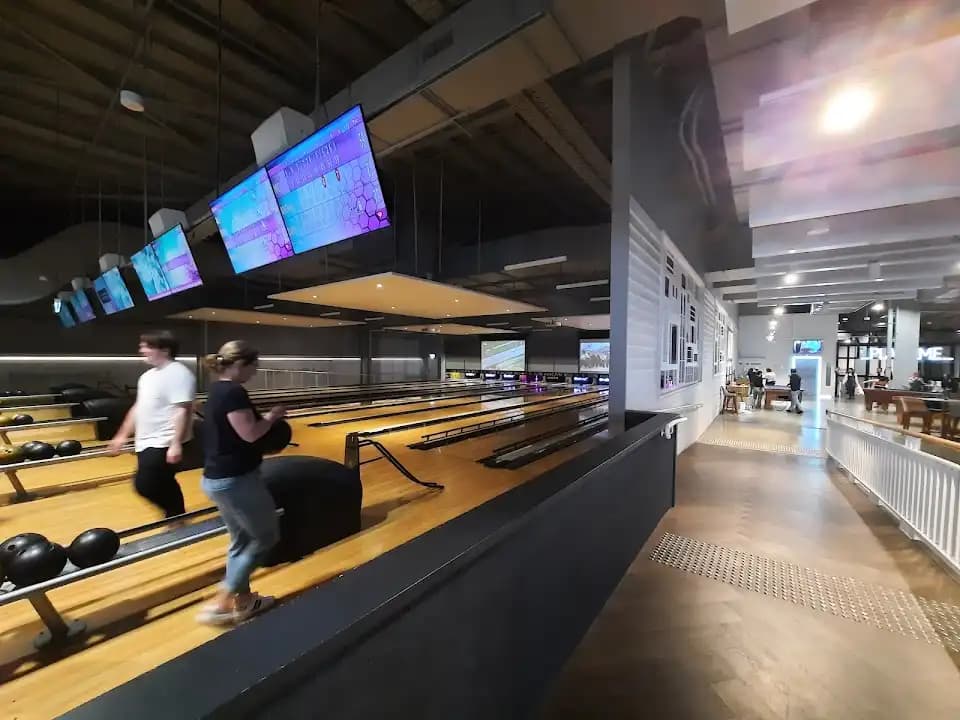
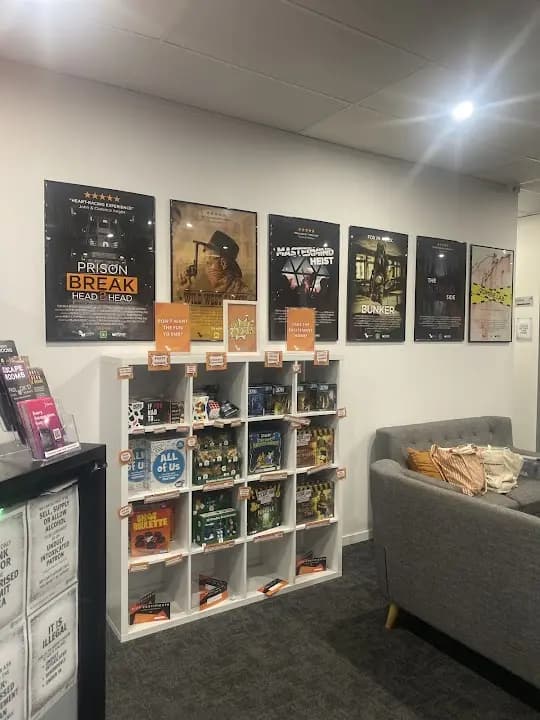
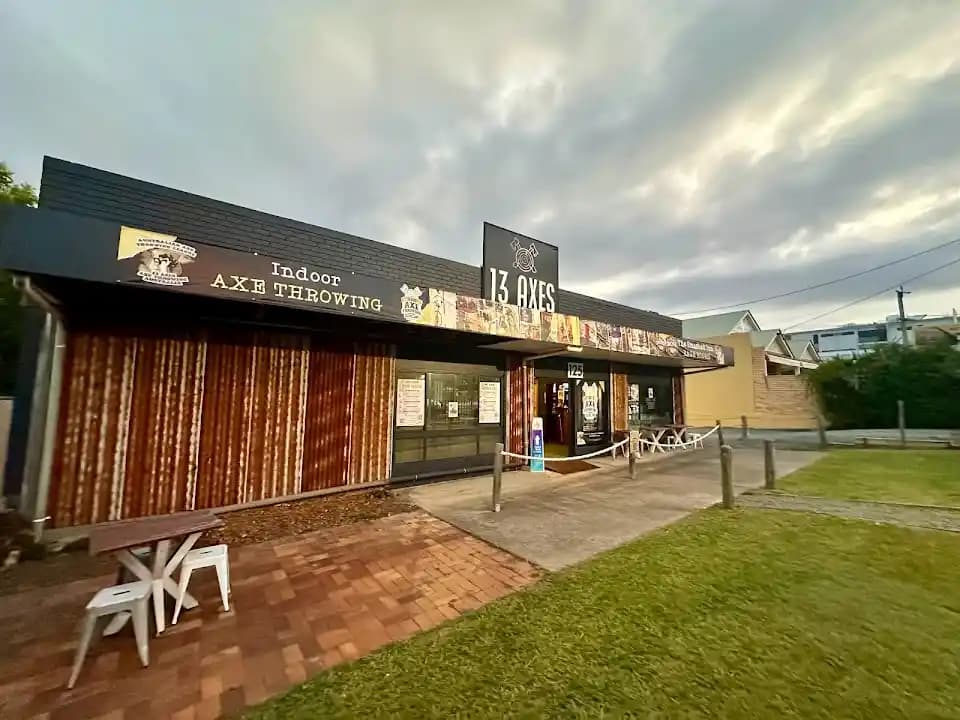
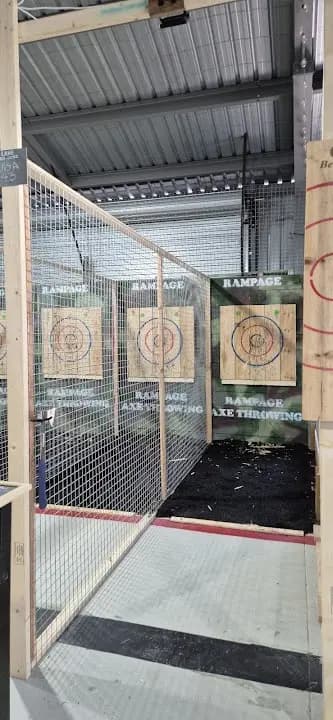
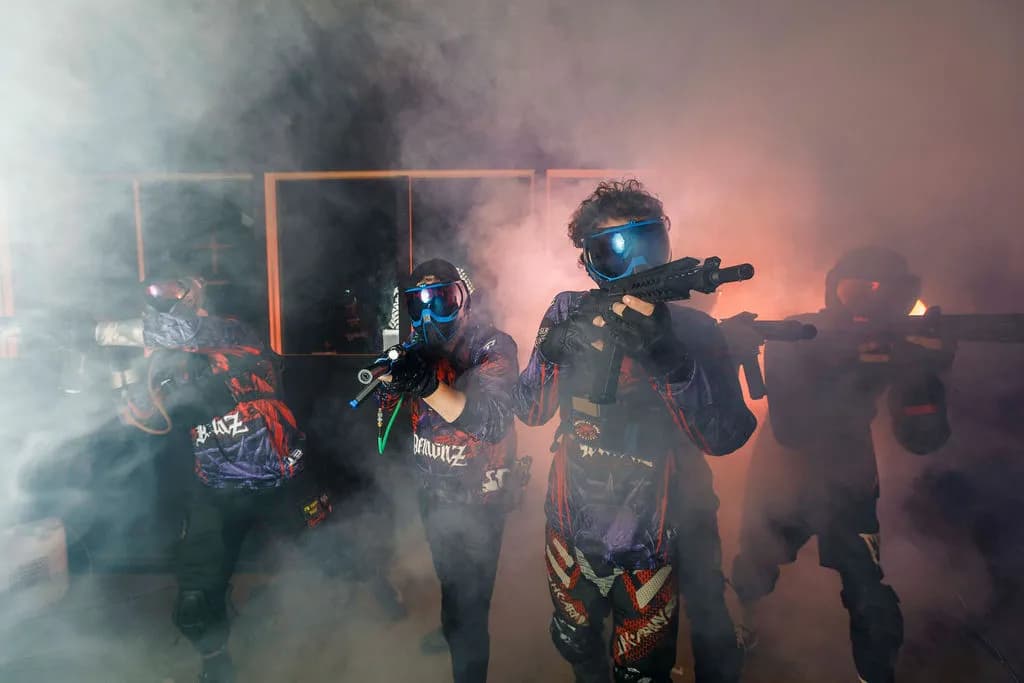
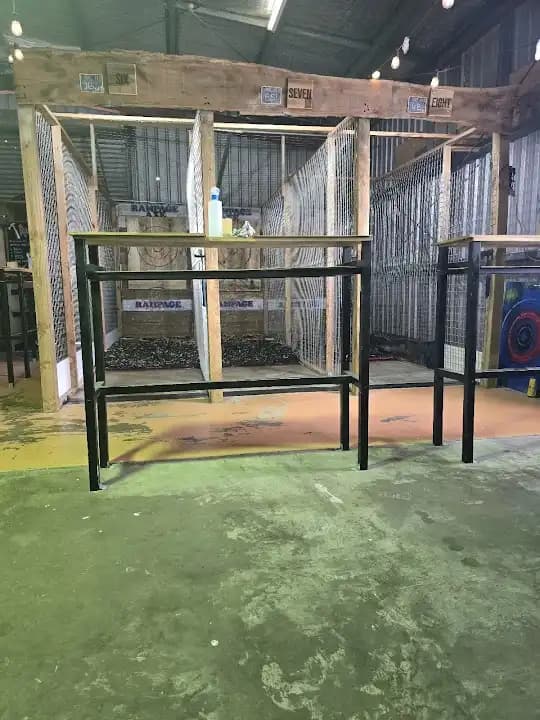
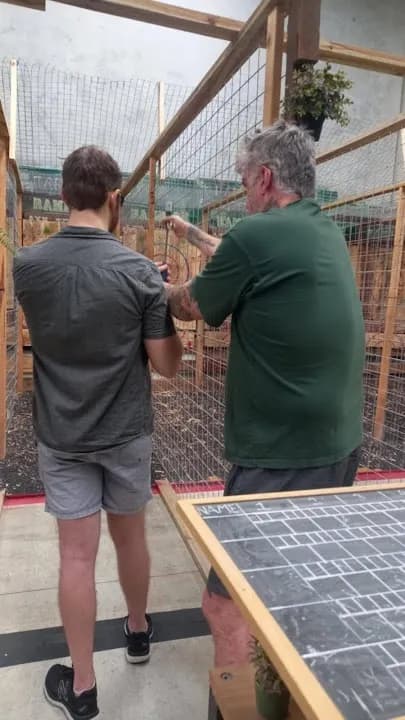
Psychologists call these "peak-end moments" — the emotional highs and how an experience concludes are what we remember most vividly. Active birthday activities like axe throwing, rage rooms, escape rooms, and paintball are specifically designed to create multiple peak moments: the first successful bullseye, the moment you solve a crucial puzzle, the epic paintball victory, the cathartic smash of your final plate. These peaks become the stories you tell and the memories you keep.
There's also significant research on social connection and happiness. Studies show that the happiness boost from experiences is amplified when shared with others, while material gifts provide relatively similar satisfaction whether experienced alone or with company. Birthday activities are inherently social — you're not just doing something fun, you're bonding with the people who matter most while doing it.
For milestone birthdays in particular (18th, 21st, 30th, 40th, 50th), experience-based celebrations offer psychological benefits beyond just fun. They provide:
- Symbolic transition markers — Active challenges help you feel like you're entering a new life chapter, not just getting older
- Confidence boosts — Mastering a new skill (even hitting one bullseye) creates achievement feelings that combat age-related anxieties
- Social affirmation — Being surrounded by friends during a shared challenge reinforces relationships and combats the isolation some people feel around birthdays
- Agency and control — You're actively doing something, not passively receiving attention, which feels more authentic for many people
Age also plays a fascinating role. For children and teens, active birthday parties provide developmentally appropriate challenges and social experiences. For adults, they offer permission to play — something research shows adults desperately need but rarely give themselves outside structured activities. For older adults, they demonstrate vitality and capability, countering negative aging stereotypes.
That's exactly why ReleaseRooms connects you to birthday experiences worth remembering — where celebrations become stories, and every year is marked by moments that matter, not just meals that fade into the background.