




















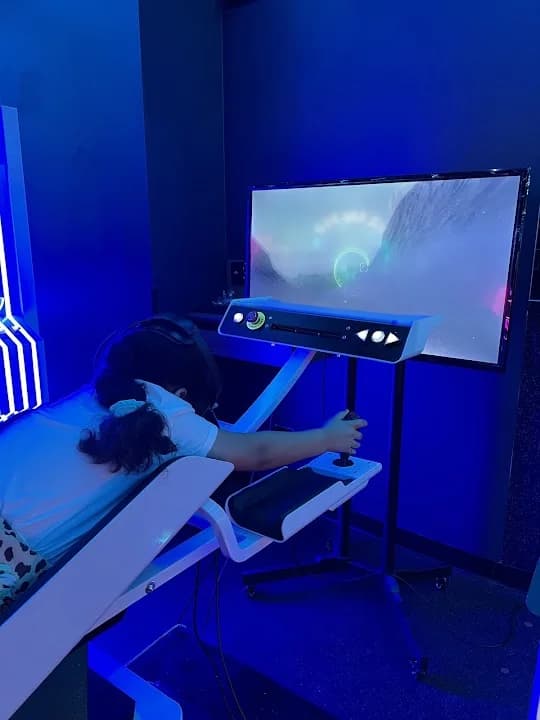











The Psychology of Immersion: How Great Experiences Make You Forget Reality
Psychological immersion — the state of being so absorbed in an experience that awareness of the real world fades — has become increasingly valuable in our attention-fractured digital age. Research shows that genuinely immersive experiences provide cognitive and emotional benefits that passive or shallow entertainment cannot match.
A 2020 study in Computers in Human Behavior examined different levels of immersion across entertainment types and found that highly immersive experiences (those engaging multiple senses, requiring active participation, and presenting coherent narratives) produced significantly greater flow states, stress reduction, and lasting positive affect compared to less immersive alternatives.
"Immersion is fundamentally about mental transportation," explains Dr. Melanie Green, communication researcher at the University of Buffalo whose work focuses on narrative transportation theory. "When an experience successfully transports you — through detailed environments, engaging storylines, sensory richness, and active participation — your brain temporarily 'forgets' it's not real. That psychological state has measurable benefits: time perception distortion, reduced self-consciousness, enhanced problem-solving through reduced performance anxiety, and emotional catharsis."
What Creates True Immersion: The Multi-Sensory Engagement Model
Immersion research identifies several critical components that work synergistically:
1. Environmental Design (Visual & Spatial Immersion)
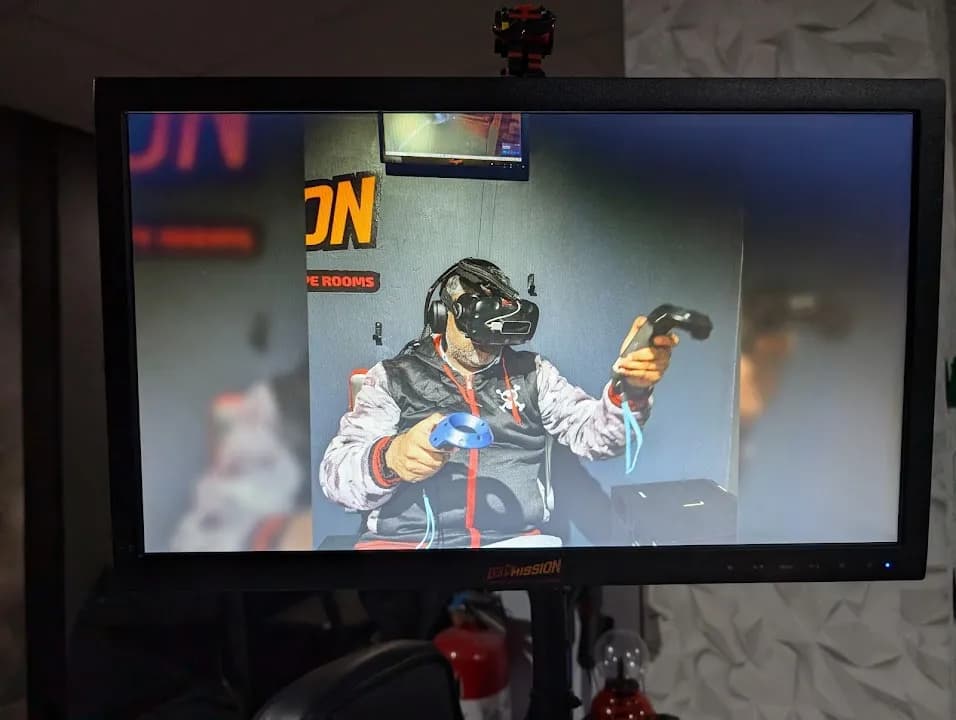
High-quality escape rooms invest heavily in set design, lighting, and props that create convincing environments. When you enter a room designed as a Victorian detective's office with period-accurate furniture, aged paper, gaslight-style lamps, and realistic props you can actually examine, your brain processes the space as authentic. This visual consistency allows suspension of disbelief far more effectively than sparse rooms with printed paper clues.
2. Soundscaping (Auditory Immersion)
Professional immersive experiences use sophisticated audio design: ambient sound that matches the setting (creaking ships, distant thunder, mechanical hums), music that builds tension or excitement, and sometimes voice acting through speakers that feels diegetic (part of the story world). Sound bypasses conscious skepticism and triggers emotional responses directly, deepening immersion significantly.
3. Narrative Context (Cognitive Immersion)
Humans are narrative-processing machines. When activities present clear stories with your role defined ("You're archaeologists who've discovered an ancient tomb," "You're resistance fighters infiltrating enemy headquarters"), your brain engages differently than with abstract challenges. The narrative provides meaning and motivation that makes every puzzle or action feel purposeful rather than arbitrary.
4. Physical Interaction (Kinesthetic Immersion)
Touching physical objects, manipulating props, moving through spaces, and physically performing actions creates what neuroscientists call "embodied cognition" — your body's involvement makes experiences feel more real. Escape rooms where you physically unlock chests, paintball where you tactically move through environments, even rage rooms where you physically destroy objects — the kinesthetic component amplifies immersion significantly.
5. Time Pressure & Stakes (Emotional Immersion)
Countdown timers in escape rooms, competitive pressure in paintball scenarios, or the intensity of rage room sessions create genuine emotional stakes that pull you deeper into the experience. When outcomes matter (even artificially), your investment increases and immersion deepens.
Flow State and Immersive Experiences
Psychologist Mihaly Csikszentmihalyi's research on "flow" — optimal experience states characterized by complete absorption and effortless concentration — shows that immersive activities are particularly effective at inducing flow. Flow requires:
- Clear goals (escape the room, complete the mission, hit targets)
- Immediate feedback (puzzles that clearly work or don't, shots that hit or miss)
- Challenge-skill balance (difficult enough to engage fully, achievable enough to maintain confidence)
- Merging of action and awareness (you stop consciously monitoring your performance and just do)
Well-designed immersive experiences structure these elements intentionally, creating conditions where flow states occur naturally. Participants describe time distortion ("I can't believe an hour passed"), reduced self-consciousness ("I forgot to worry about looking stupid"), and intrinsic motivation ("I didn't care about anything except solving that puzzle").
Different Activities Deliver Different Immersion Types
Escape Rooms: Narrative & Environmental Immersion
High-production escape rooms excel at transporting you into detailed story worlds through combination of set design, sound, narrative framing, and interconnected puzzles that feel like organic parts of the environment rather than artificial challenges. The best rooms create what theater calls "the fourth wall" — you genuinely feel inside the story, not observers of it.
Scenario Paintball: Tactical & Role-Play Immersion
Mission-based paintball scenarios create strategic immersion where you embody specific roles (infiltrator, defender, medic) within structured narratives (rescue hostages, defend the base, retrieve intelligence). The physical environment, competitive pressure, and clear objectives combine to make the scenario feel genuinely real during gameplay.
Themed Rage Rooms: Cathartic & Ritualistic Immersion
While rage rooms are less narrative-driven, the best venues create atmospheric immersion through lighting design, music selection, and psychological framing that transforms destruction from random violence into intentional cathartic ritual. When combined with personal symbolism (smashing objects representing stressors), the experience takes on deeper meaning.
Why Immersive Experiences Are More Psychologically Restorative
Attention Restoration Theory, developed by environmental psychologists Rachel and Stephen Kaplan, proposes that certain experiences restore depleted cognitive resources better than rest alone. Immersive experiences qualify as "restorative environments" because they:
- Provide "soft fascination" — engaging attention without demanding cognitive strain
- Create "being away" experience — psychological distance from everyday concerns
- Offer "extent" — rich enough environments to occupy mind fully
- Generate "compatibility" — align with intrinsic motivations rather than obligations
A 2019 study applying this theory to escape rooms found participants showed measurably improved attention capacity and reduced mental fatigue after completing immersive escape experiences, effects that persisted for several hours post-activity.
That's why ReleaseRooms connects you to experiences designed for genuine transportation — where immersive isn't just a buzzword, and forgetting reality for an hour is exactly the point.