



















The Psychology of Beginner Experience: Why First Impressions Determine Continued Participation
Sports psychology research shows that initial experiences with new activities dramatically predict whether people continue or abandon them. A 2020 meta-analysis examining activity adoption found that participants who rated their first experience as "successful" (defined as achieving small wins and feeling competent) were 7.3 times more likely to continue the activity compared to those whose first experience felt frustrating or embarrassing.
This finding explains why beginner-friendly design matters so much: you're not just creating one good experience; you're determining whether someone becomes a regular participant or quits after one attempt.
What Makes Activities Genuinely Beginner-Friendly (Beyond Just "No Experience Required")
Scaffolded Difficulty (Skill Building Design)
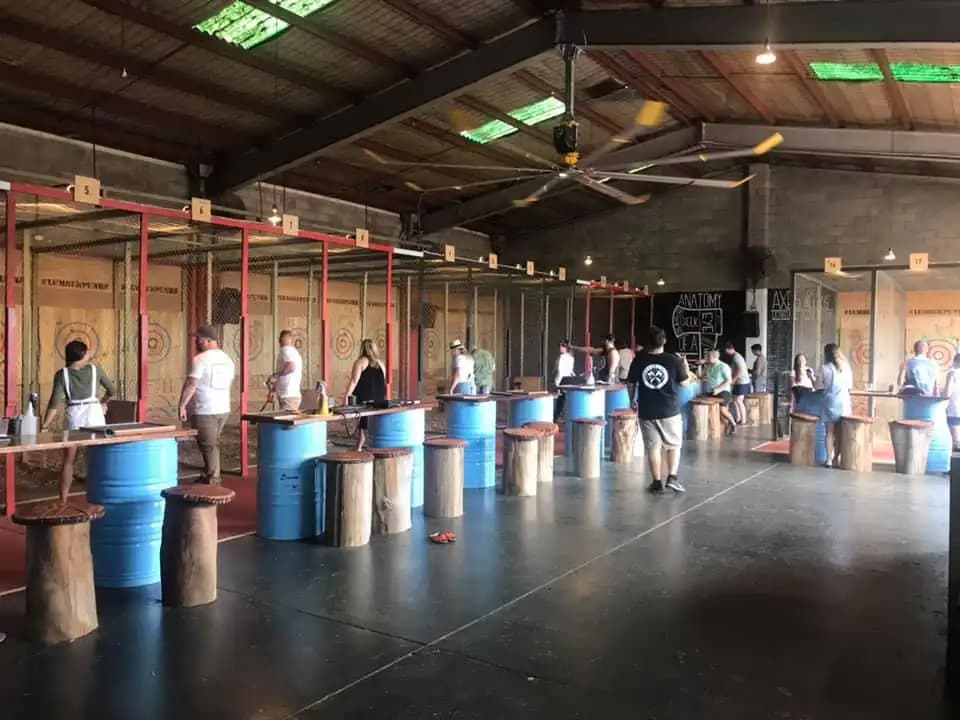
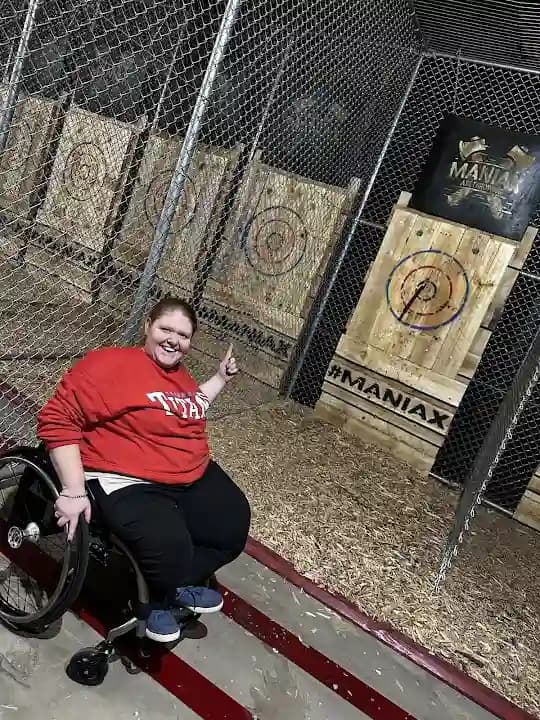
Expert-designed beginner experiences structure challenge progression intentionally. In escape rooms: early puzzles are straightforward, building confidence before introducing complexity. In axe throwing: beginners start with large targets at close range, progressing to normal targets as technique improves. This scaffolding approach, borrowed from educational psychology, ensures participants experience success early enough to stay motivated through harder challenges.
Dr. Carol Dweck's research on growth mindset shows that learners need early successes to believe effort will lead to improvement. First-time axe throwers who hit targets within their first few throws develop belief that practice works, making them persist through subsequent misses. Those who fail repeatedly at the start often conclude "I'm just not good at this" and disengage.
Generous Support Systems
Beginner-friendly venues provide support without making it feel remedial:
- Escape Rooms: Graduated hint systems (subtle nudges → clearer guidance → explicit answers), time extensions for groups genuinely trying, staff who recognize when teams are frustrated vs. productively challenged
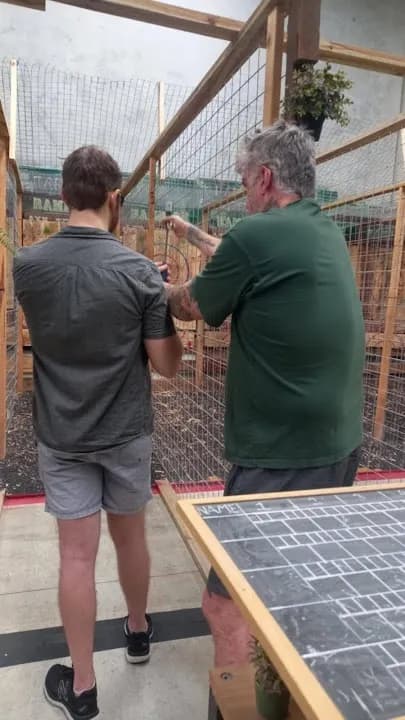
- Axe Throwing: One-on-one coaching ratios for beginners, technique demonstrations and corrections, positive reinforcement for small improvements, targets that provide satisfying feedback even when accuracy isn't perfect
- Paintball: Beginner-only sessions (no experts dominating), referees who explain strategy rather than just enforcing rules, game formats emphasizing fun over competition, low-impact equipment reducing intimidation
- Rage Rooms: Equipment selection guidance (what breaks satisfyingly), smashing technique tips (how to avoid tiring quickly), reassurance that there's no "wrong way" to participate
Psychological Safety
Harvard Business School's Amy Edmondson researches psychological safety — the belief that you won't be embarrassed, rejected, or punished for mistakes. Her work shows that learning environments with high psychological safety produce significantly better skill acquisition than high-pressure environments, even when instruction quality is identical.
Beginner-friendly venues create psychological safety through:
- Normalizing failure ("Most first-timers miss these shots, you're doing great!")
- Separating beginners from advanced participants (no direct comparison creating self-consciousness)
- Staff language emphasizing fun over performance ("The goal is enjoying yourself" not "Try to beat this score")
- Peer encouragement culture (celebrating others' successes rather than competitive one-upmanship)
The Economic Value of Beginner-Friendly Design
Venues investing in beginner experience benefit financially:
Higher Conversion to Repeat Customers
Customer acquisition costs far exceed retention costs. Converting first-timers into repeat customers through positive initial experiences is more profitable than constantly recruiting new beginners to replace ones who had bad first experiences.
Word-of-Mouth Marketing
Beginners who feel successful become enthusiastic promoters. Research shows that first-time activity participants generate 3-5x more word-of-mouth than experienced participants, because the experience is novel and shareable. Positive beginner experiences = free marketing.
Group Accessibility
Beginner-friendly venues attract mixed-skill groups (experienced people bringing beginner friends). Experienced-only venues limit market to small expert populations.
Matching Beginner Experience to Personal Goals
Different beginners have different motivations. Quality venues recognize this:
"Just Want to Try It" Beginners
- Goal: Fun experience, minimal commitment
- Ideal: Short intro sessions, playful framing, low pressure
- Example: 30-minute axe throwing intro, beginner escape room with high hint availability
"Want to Get Good" Beginners
- Goal: Skill development, improvement tracking
- Ideal: Structured coaching, progression pathways, measurable feedback
- Example: Axe throwing lessons with technique focus, escape room difficulty progression
"Social Experience" Beginners
- Goal: Bonding with friends/family, shared memories
- Ideal: Team-based activities, collaborative challenges
- Example: Group escape rooms, team paintball formats
"Overcome Fear" Beginners
- Goal: Confidence building, comfort zone expansion
- Ideal: Patient coaching, small graduated challenges, celebration of courage
- Example: Rage room as controlled chaos exposure, axe throwing building hand-eye confidence
That's why ReleaseRooms highlights beginner-friendly venues — where first-time participants are valued customers, not inconveniences, and success is designed into the experience rather than left to chance.