






















What Makes Team Building Actually Work: The Psychology of Effective Collaboration Training
Not all team-building activities are created equal. Research distinguishes sharply between effective team building (activities that measurably improve collaboration, communication, and trust) and performative team building (activities that feel like team building but produce no lasting behavior change). The difference comes down to three critical factors: genuine challenge, immediate feedback, and psychological safety.
A comprehensive 2019 meta-analysis published in Small Group Research reviewed 103 studies on team-building interventions and found that goal-setting activities and role-clarification exercises produced the strongest results, while purely social activities (office parties, casual outings) showed minimal impact on actual team performance. The most effective interventions shared common characteristics: they required interdependence (team members genuinely needed each other to succeed), clear objectives, and reflection on the process afterward.
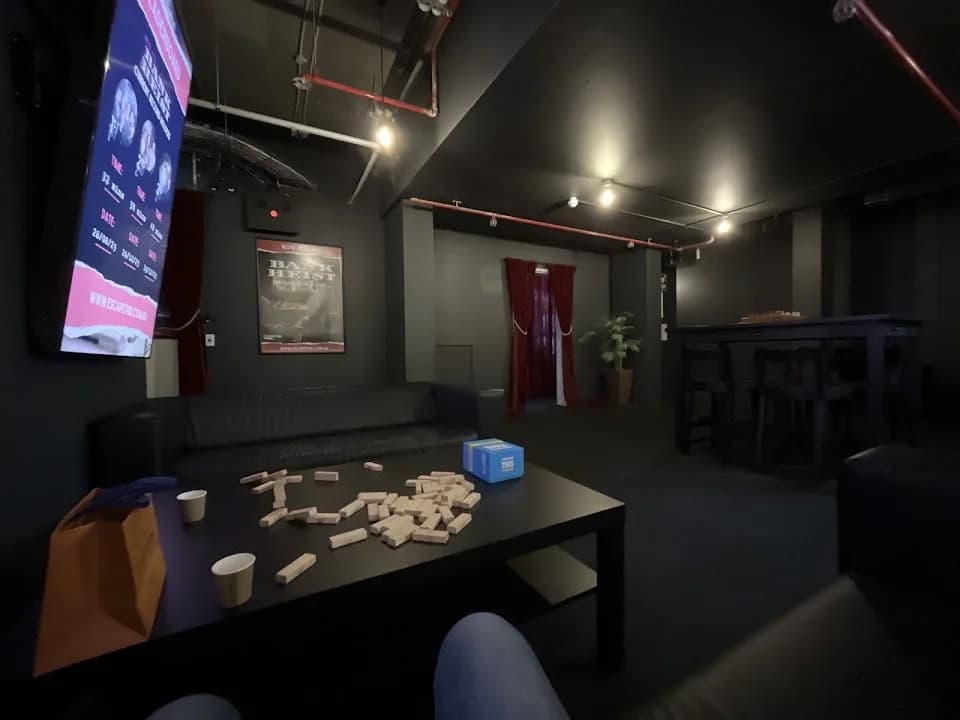
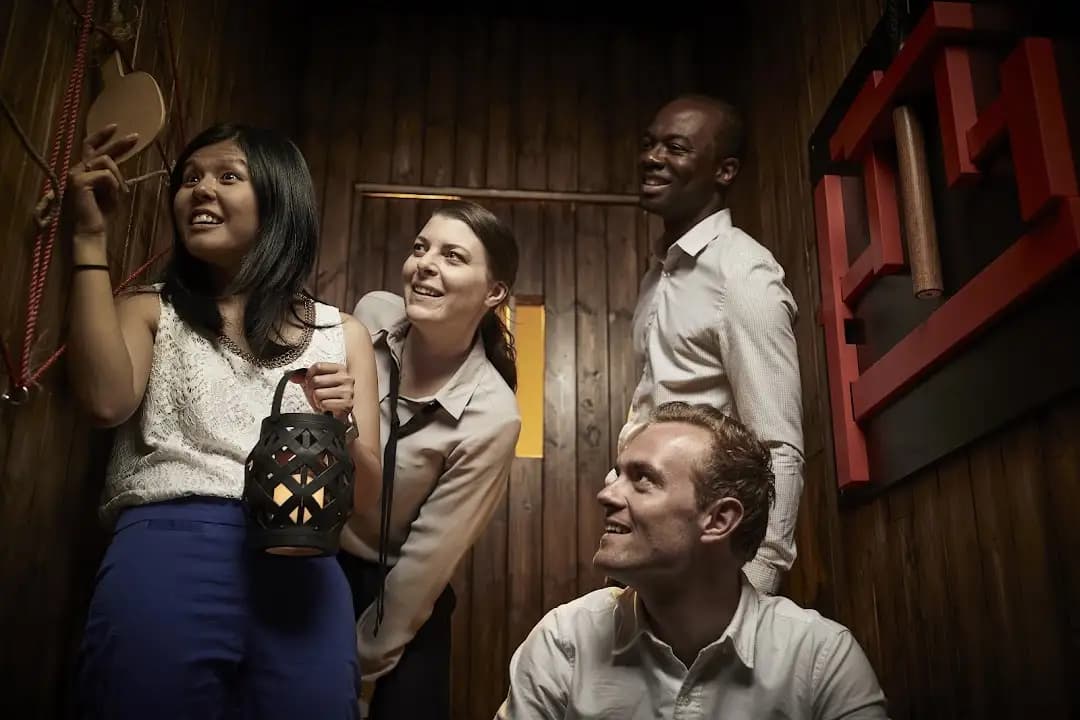
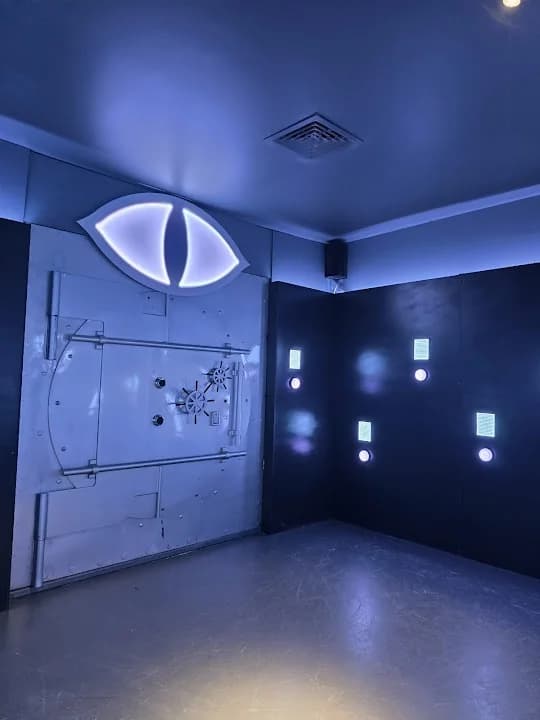
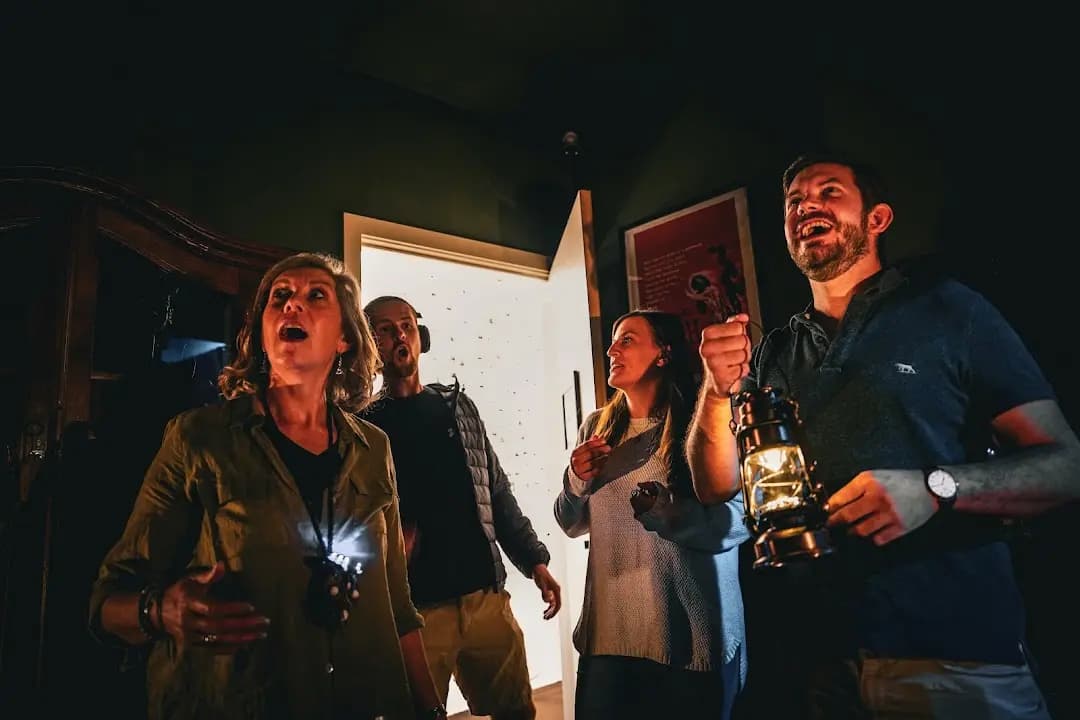
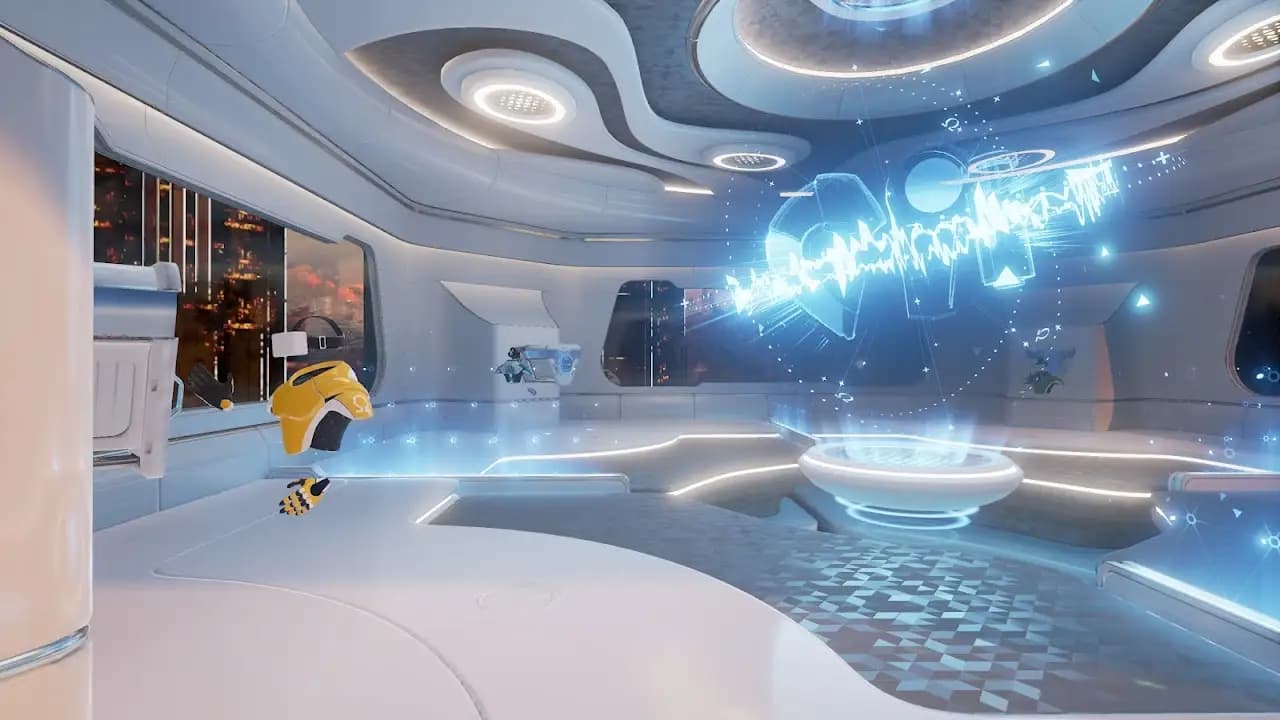
This is where activities like escape rooms excel. A 2020 study from the University of Washington's Foster School of Business specifically examined escape rooms as team-building tools and found that teams showed 23% improvement in communication clarity and 31% better task delegation in workplace scenarios measured two weeks after the escape room experience. The researchers attributed this to what they call "compressed collaboration cycles" — escape rooms force teams through multiple problem-solving iterations in 60 minutes, creating opportunities to practice, fail, adapt, and succeed repeatedly in a short timeframe.
"Effective team building requires what we call 'productive failure,'" explains Dr. Eduardo Salas, professor at Rice University and leading expert on team effectiveness. "Teams need to experience setbacks in low-stakes environments where they can analyze what went wrong, adjust their approach, and try again. Activities like escape rooms and paintball provide exactly that — immediate consequences for poor communication or strategy, with immediate opportunities to course-correct."
The psychological safety component is equally crucial. Harvard research shows that teams perform best when members feel safe to take risks, admit mistakes, and ask for help. Traditional workplace hierarchies often suppress these behaviors — junior employees fear looking incompetent, senior employees feel pressure to appear infallible. Physical challenge-based team building temporarily disrupts these dynamics. When your manager is just as bad at throwing axes as you are, or when your intern solves the escape room clue that everyone else missed, it creates moments of equality that build psychological safety.
Different activities develop different team competencies:
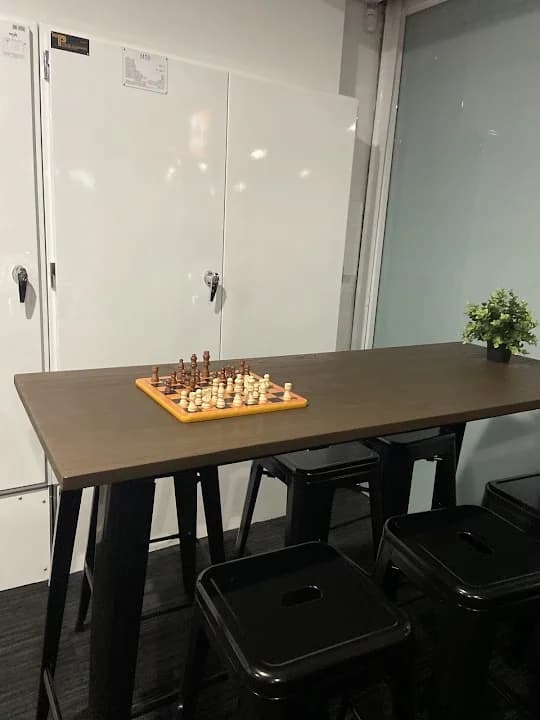
- Escape Rooms → Communication clarity, active listening, delegation based on strengths, time management under pressure, synthesizing diverse perspectives
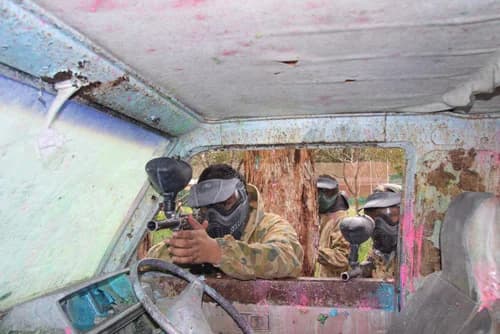
- Paintball → Strategic planning, trust in teammates' judgment, role differentiation (offense/defense/support), rapid adaptation to changing conditions, leadership emergence
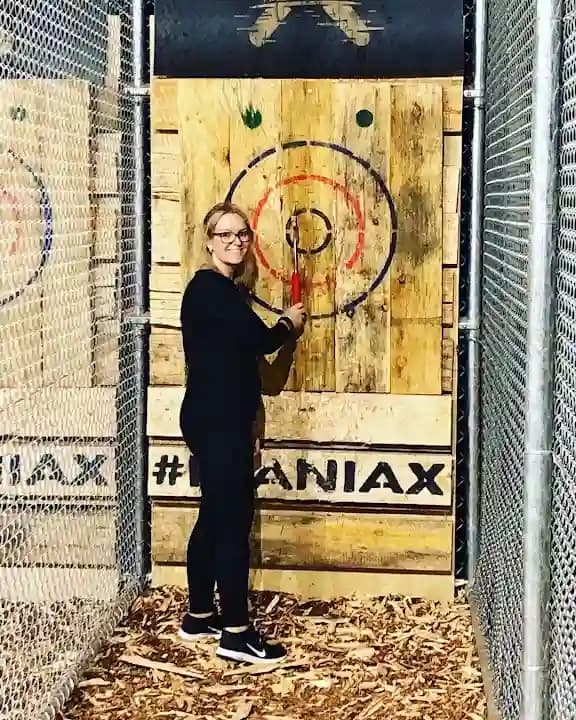
- Axe Throwing → Patience with learning curves, peer coaching and encouragement, celebrating incremental progress, healthy competition, resilience after failure
- Rage Rooms → Collective stress release, normalizing workplace frustration in healthy ways, building informal bonds through shared catharsis, reducing tension before collaborative work
The timing and frequency of team-building also matters. Research suggests that quarterly team-building events are optimal for maintaining team cohesion without causing event fatigue. Many organizations combine team building strategically:
- New team formation — Use escape rooms early to establish communication patterns and identify natural collaborators
- High-stress periods — Use rage rooms for stress release after major project deadlines or during crunch periods
- Performance plateaus — Use paintball or competitive activities to re-energize teams that have become complacent
- Cross-functional projects — Use any collaborative activity when merging teams from different departments who don't know each other well
The most sophisticated team-building programs include structured reflection afterward. Simply doing the activity isn't enough; teams need to discuss what they observed about their collaboration, what worked well, what broke down, and how those lessons apply to their actual work. Many venues partner with facilitators who can lead these debriefings, or managers can run simple reflection prompts like: "What happened when we got stuck?" or "How did we decide who did what?" or "What would we do differently next time?"
That's why ReleaseRooms connects teams to activities backed by collaboration science — where team building means measurable improvement in how you work together, not just a fun afternoon you immediately forget.