































Why Active Family Experiences Build Stronger Parent-Child Bonds
Family bonding isn't just about spending time together — it's about the quality of shared experiences during that time. Research from the Journal of Marriage and Family found that families who regularly engage in active, collaborative activities together (rather than just passive entertainment like movies or dining out) report significantly higher family cohesion, better parent-child communication, and lower conflict levels.
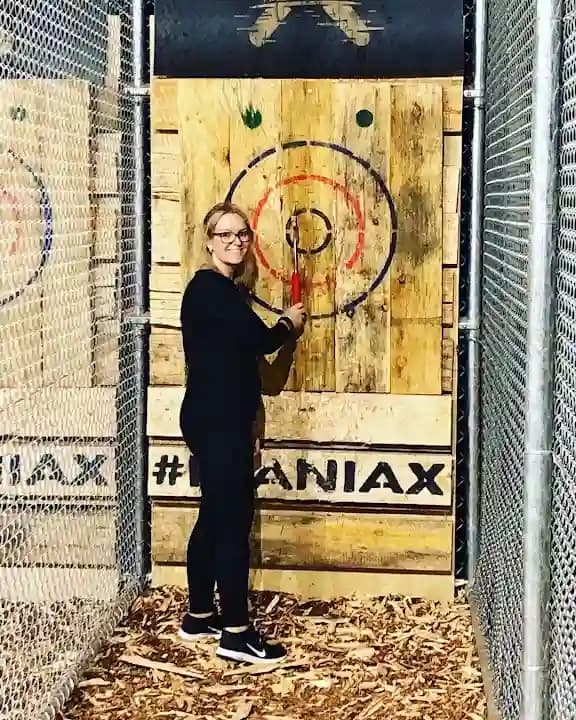
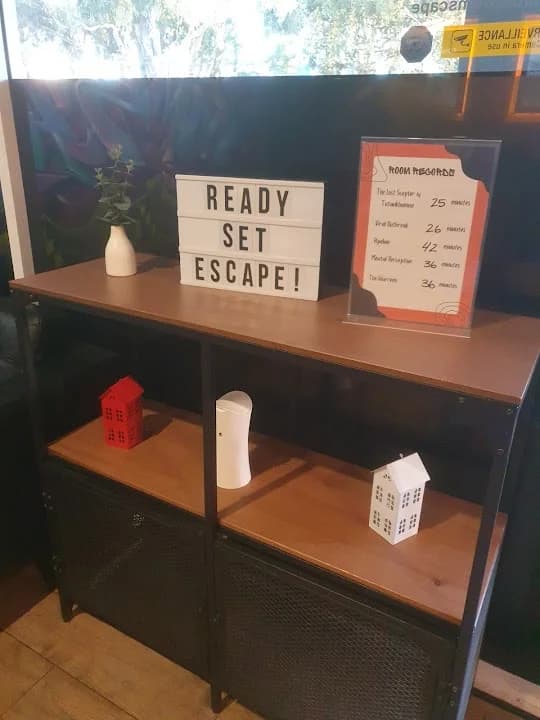
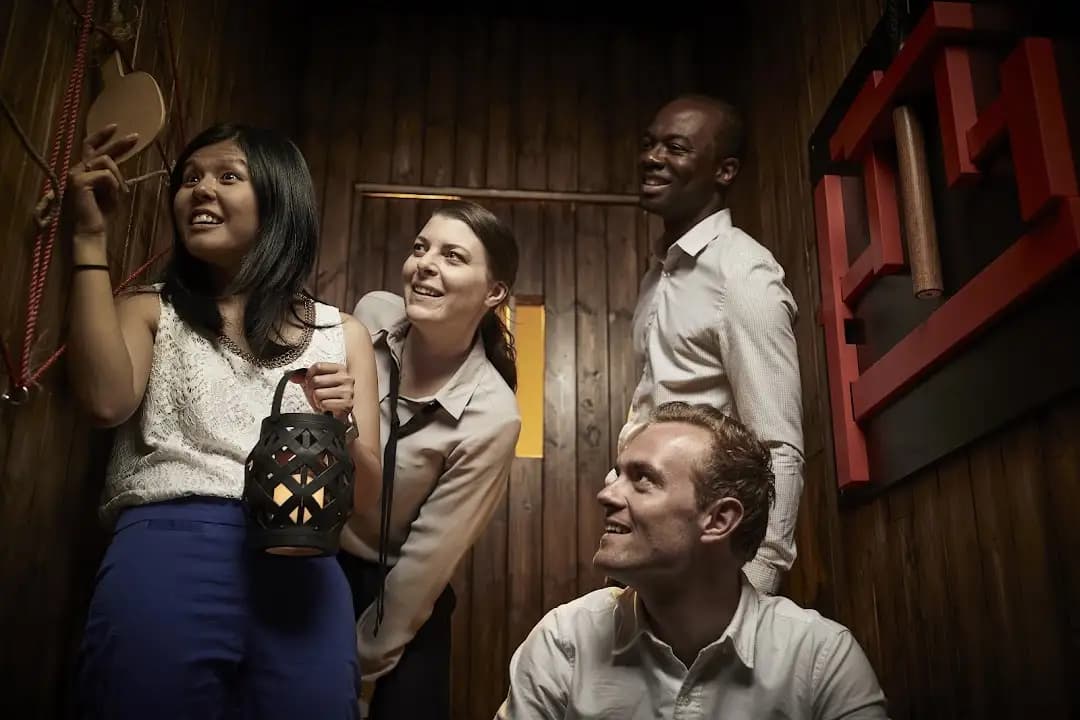
The mechanism is developmental. When families complete challenges together — like escaping a locked room, learning a new skill like axe throwing, or strategizing in paintball — they're practicing collaborative problem-solving in low-stakes environments. Children learn to contribute ideas that adults take seriously. Parents model persistence and good sportsmanship when they fail. Siblings learn to work together rather than compete. These lessons transfer directly to how families navigate real-life challenges.
"Active family experiences provide what developmental psychologists call 'scaffolding moments,'" explains Dr. Laura Markham, clinical psychologist and author of Peaceful Parent, Happy Kids. "When a parent coaches their child through throwing an axe or helps them think through an escape room puzzle, they're teaching problem-solving skills, emotional regulation, and the message that 'we can figure hard things out together.' That foundation of collaborative competence is one of the strongest predictors of resilient, well-adjusted children."
There's also compelling neuroscience around shared accomplishment and family identity. When families succeed together at challenging activities, everyone's brains release dopamine and oxytocin — chemicals associated with bonding, pride, and positive emotion. These neurochemical rewards become associated with family time, making children genuinely want to spend time with parents rather than viewing it as an obligation.
Different activities offer different developmental benefits across age ranges:
- Escape Rooms (ages 8+) → Critical thinking, teamwork across age differences, learning that adults don't always have answers, experiencing competence when you solve a clue others missed, patience with group decision-making
- Axe Throwing (ages 10+) → Overcoming fear with family support, celebrating incremental progress, learning that skill comes from practice not natural talent, giving and receiving coaching, handling competitive feelings appropriately
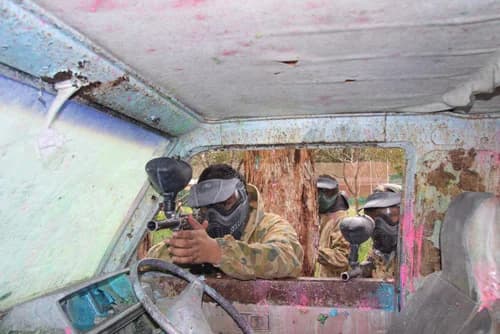
- Paintball (ages 10+) → Strategic thinking, healthy competition, physical activity and stress release, understanding team roles, gracious winning and losing, following safety rules strictly
The age-leveling effect is particularly powerful. In most family contexts, parents have natural authority and competence advantages — they're bigger, smarter, more experienced. But when everyone's equally bad at hitting an axe target or equally confused by an escape room puzzle, those hierarchies temporarily dissolve. Research shows that children whose parents occasionally position themselves as co-learners (rather than always being teachers/authorities) develop stronger self-efficacy and more authentic parent-child relationships.
Family activities also address a modern parenting challenge: meaningful screen-free time. It's not enough to take devices away; you need compelling alternative activities. A 2023 Pew Research study found that 78% of parents struggle to find activities their children find as engaging as screens. Active, challenge-based family experiences solve this because they're naturally engaging — the immediate feedback, physical involvement, and social interaction tap into the same psychological reward systems that make screens compelling, but in healthier ways.
For multi-generational family gatherings (grandparents, aunts, uncles, cousins), these activities create shared experiences across age gaps that traditional family dinners don't. Cousins bond through competitive paintball matches. Grandparents surprise grandchildren by solving escape room puzzles. Uncles discover they're secretly great at axe throwing. These moments become family stories that get retold for years, strengthening family identity and connection.
Practical tips for family bookings:
- Choose age-appropriate difficulty levels (many venues rate their escape rooms or offer junior paintball formats)
- Book private sessions to avoid pressure from strangers and allow flexible pacing
- Frame it as "family challenge" rather than "kids' activity" so everyone feels equally invested
- Debrief afterward — talk about what was fun, what was hard, what you learned about each other
- Take photos! Visual reminders reinforce the positive memories and family bonding
That's why ReleaseRooms connects families to activities that build real bonds — where quality time means collaborative challenges, and family memories are made through doing, not just watching.